Casting Director: Oleksandr Tereshchenko
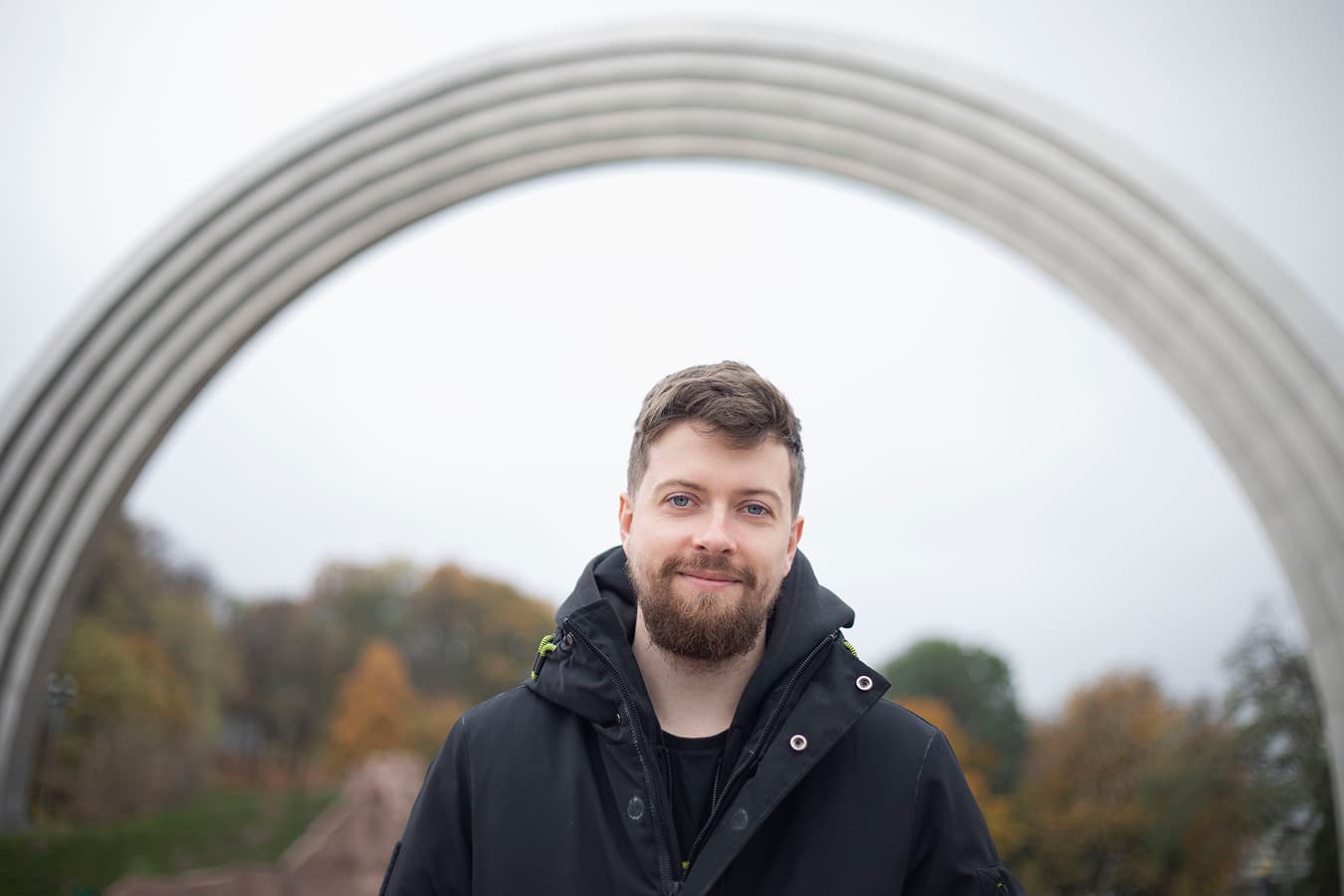
-
– How did you get into this profession, and how long have you been in it?
– It all started in 2013. I accidentally ended up in the advertising field. I needed to provide proof of internship in the film industry for my university (I studied acting). I wrote to a casting director at a production company asking if they could issue such a document. I came in, and they took me on for several projects as a casting assistant (it just so happened that the previous assistant went on maternity leave and a vacancy opened up). I decided to complete the entire internship period and ended up staying with Family Production for a long time. It’s a very professional production house with a great team. I gained tremendous experience and am very grateful for every day I worked there. I worked for five years with different directors, most of them foreign. I saw a lot of amazing projects. Some were particularly interesting with specific shoots involving stunt performers and elaborate sets.
Eventually, I realized (as I got older, started renting an apartment, and priorities changed) that I needed to grow further. Staying an assistant wasn’t productive in terms of career and finances. I started looking for short-term independent projects: promo videos, short films, commercials, music videos, and even a pilot for a series. Over time, more clients started returning, and new ones appeared. It didn’t happen overnight, but word of mouth gradually brought more projects. You can earn well on short projects when they’re available, but it’s not stable. My next goal was to find a long-term project, which I strived for in the year before I joined the series “Vyklyk” (“The Challenge”). That project unexpectedly gave me something I didn’t even aim for — a pleasant bonus. It turned out to be very challenging. I didn’t expect that, but it helped me grow a lot. If it had been an easy project, it wouldn’t have been a real challenge for me personally — I wouldn’t have overcome obstacles and grown. In the first season, there were two film crews shooting in parallel. Each episode had two storylines (just imagine the volume of casting work, pace, and actor selection) — 40 episodes multiplied by two. In the second season, there are already three crews working simultaneously. It’s been an incredible and rewarding experience that helped me grow.
-
– Was there a project that really stayed with you?
– Every project is valuable because it’s experience. Without some of them, I wouldn’t have been noticed for others. That probably applies to any field. I remember a commercial where an actor hung upside down and was dipped into an aquarium — he swam there with fish. There were many interesting projects. It’s hard to pick just one. If I had only five projects under my belt, I’d name one easily.
-
– Would you like to return to acting?
– Acting is a very unstable profession. Maybe at some point, I should have joined a theatre to stay in shape and keep growing. After university, I decided to jump straight into filming, but casting work gradually took over because it offered more financial stability — I needed to pay rent monthly. Waiting for projects isn’t a reliable plan at the beginning. So I started taking on more stable casting projects. Recently, I turned down a couple of acting roles because my schedule is packed. I love filming, but it has become more of a rare hobby than a source of income. I enjoy casting — it’s not boring. I wouldn’t mind acting again, but now isn’t the right time. Everything has its moment. While I’m focused on casting, I’m fully immersed in it, and it’s likely to stay that way. I can’t predict what I’ll think in 10 years (or a year, month, or even a week). Maybe I’ll want to act again after decades and have to retrain from scratch. Or maybe I’ll want to do something completely new. Life is unpredictable. Right now, I’m here — doing this — and what comes tomorrow, we’ll see.
-
– Do you have any fears in this profession?
– Not anymore. In the beginning, yes, but after a while, you stop worrying so much because it doesn’t solve problems. You might feel anxious, but it’s not like in the first six or seven years. There’s just no time for panic. I think people who worry too much don’t last long in this profession.
-
– What did you dream of becoming as a child?
– An actor. I said that at four years old and didn’t change my mind until circumstances changed. If I hadn’t made that decision, I wouldn’t have ended up in casting by this chain of events. I could’ve become an architect, for example. Everything’s connected. Since I studied acting, I consider it a great bonus for casting work. But it’s not simple — it’s just a foundation from the same field because there are no university degrees for casting directors. For example, if I were a construction worker, it would be difficult to read lines with an actor during an audition. You can become a casting director from another field, but you need to develop skills and go through a process. I think many actors have equally fascinating stories — their career paths are not easy either. In any profession, there are interesting stories and experiences.
-
– What are your hobbies?
– I read books, I run (when I have time, which I don’t). I feel like this could turn into a long actor-style monologue about a hamster in a jar for five minutes.
-
– Which writers do you like?
– At one point, I read a lot of Remarque: All Quiet on the Western Front and many others. He writes deeply, conveys atmosphere well. It’s never boring.
-
– Do you have a favorite film?
– Depends on the mood. It’s like food. Sometimes you want something sweet, sometimes salty. I usually prefer comedies — they help me relax.
-
– What do you dream about?
– That’s a big question… Family happiness, owning a home, more stability. Many people over thirty think about this. Once I’ve achieved those things, I’ll probably have time to dream and plan for something bigger.
-
– Have you discovered any new actors or actresses?
– From time to time, I find actors who leave a strong impression. If I were an agent, I’d try to represent them. Every new audition is a chance to notice someone and take note, even if the director doesn’t approve them right away.
-
– How do you search for actors?
– By all possible means. It depends on the project. First, I recall actors from memory — faces, names, types. Right now, time for prep is very limited. Most often, I run open casting calls on Facebook — it’s currently the most productive method in terms of results. I also look through spreadsheets from past projects and check actor availability. I ask colleagues. Any method that works is useful. The faster the results — the more effective the method. The quickest way is to recall an actor or scroll through past work online.
-
– How many actors do you show for one role?
– Depends on the project. For commercials, more actors are needed — appearance is often prioritized, and acting is secondary or equally important. Though sometimes a strong performance is essential, even in commercials. For series, acting skill is the focus. Appearance matters too, but not under a microscope. On “Vyklyk”, we have many roles, so competition isn’t too high. If an actor isn’t chosen now, they may be cast in a few days. On average, for a series, I suggest two to three actors per role. The key is matching the type and performance to the director’s vision. Sometimes one actor is enough, and the director approves them immediately. It’s not about quantity — it’s about accuracy. To find the right fit, I might review 10–30 or more actors before presenting 2–3 to the director. It’s a way to understand the director’s preferences. Based on their first choices, I better understand their overall vision. Each collaboration is unique. Some directors focus on appearance, others on nuanced acting. It’s important to know what to emphasize before making a second selection. In commercials, we often do 2–3 rounds of casting, sometimes four, especially if there are many characters or hard-to-please clients (they might suddenly want the character to be a girl instead of a grandma or a man instead of a woman). This can happen in film and series too, but less often. In any case, it’s a creative process and decisions are sometimes made on the go. Also, deadlines vary — sometimes they call and say: “Find an actor by yesterday.”
-
– What is your opinion on self-tapes?
– They have their place. Self-tapes are useful for actors from other cities or when there are many roles and little time. In the past, actors were found only through inperson searches, but now everything is digital — everyone has a camera on their phone. It’s a fast process. Still, in-person auditions are better.
-
– What advice would you give to our actors?
– Those who have been in the profession for a long time don’t need advice — they already know everything. Actors don’t tell me how to do my job, and I don’t tell them how to be actors. I don’t tell the director how to shoot or a janitor how to sweep. Actors are trained for years by professionals. What I can do is suggest redoing a self-tape or in-person audition with specific adjustments to better fit the role.
As for those who are only planning to become actors — they need to constantly stay active and keep training. That’s it.