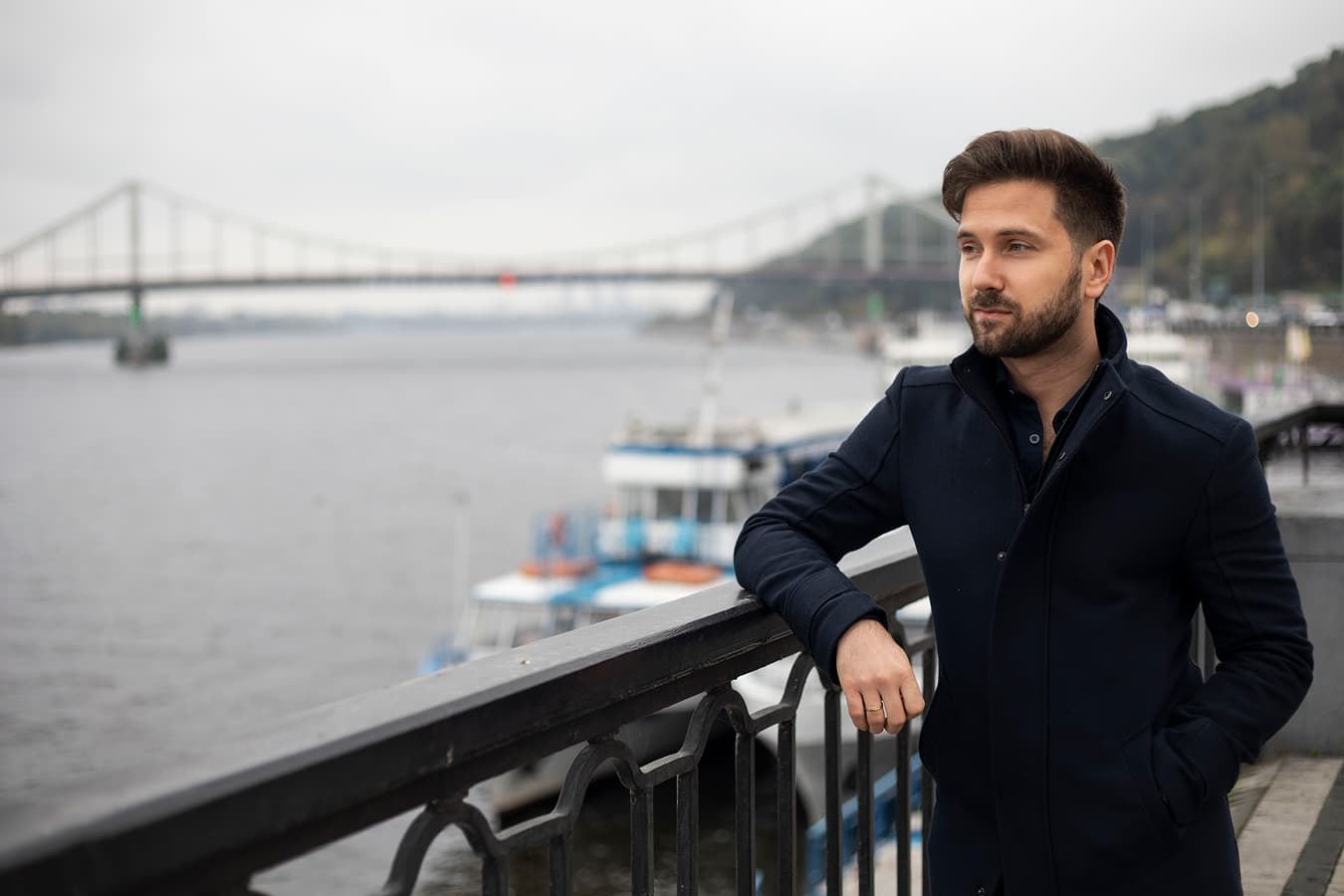
Casting Director Viacheslav Nechai-Kuchynskyi
-
— How did you get into this profession, and how long have you been in it?
— Honestly, I’ve stopped counting. I first tried casting back in the previous decade —around 2007 or 2008. I was just a young student doing an internship and ended up helping with casting for a TV show. I had no idea how it all worked. My way of thinking was different back then, and so were the technologies. I didn’t have any databases—I was just wandering around places and theaters. And it wasn’t even an acting project—it was more of a talent show, we were looking for hosts and participants. It was more difficult back then: no messaging apps, I had just started using the internet properly and had registered on social media. I didn’t even think you could find people through it.
-
— What did you study?
— Management in the show business industry at Kyiv National University of Culture and Arts. But I didn’t go straight into casting after that.
-
— What happened next?
– I gave it a try. Can’t say I really liked it at first. I was searching for myself, worked in event planning and concert organization. Then the global crisis hit in 2009—and the events industry collapsed, just like it did recently. So I started searching again. I went to TV channels, worked as an administrator for a while. People kept asking me to recommend someone, then I started helping with pilot projects—and it all began to take off. Around 2010–2011, I started working in casting full-time.
-
— Have you had a favorite project over the years?
— Whenever you feel like everything worked out and the actors are perfectly matched to their roles—every project becomes a favorite.
-
— Was there a particularly significant one?
– I worked on Real Mysticism from the very beginning—on seasons one and two. Then we all went our separate ways. Now I watch the show from the outside and think: it’s great that I’ve already lived through a big part of my life and built a completely different career, and the project is still going. Lately, I’ve realized I enjoy working on scripted, narrative projects more. That’s been my focus for the past couple of years. But I still work in advertising—and I especially love social projects. I can’t say I only want to work with actors. I like interesting, real people with unique stories too.
We once made a video about kisses and brought in real couples with real stories and emotions. We’d first invite one person and ask how their relationship began— they’d tell their story from the heart, not knowing that their partner was behind a screen listening. When the screen was removed, they’d see each other—and share a genuine kiss. No acting, no script.
-
— Have you discovered any actors or actresses?
— That’s a big part of my job—finding new faces and falling in love with them professionally. There are quite a few people I’m confident will achieve great things in the next year or two. For example, Polina Vasylyna appeared in our Kisses video with her boyfriend. At that time, she didn’t have many prominent roles yet. I also invited my brother to Mysticism. He didn’t have any ongoing screen roles before that—he was a theater actor, so shooting was a big leap for him.
-
— What does it feel like to have a twin brother?
— It’s awkward when someone thinks I’m being rude by not saying hi. That happens—people know my brother and assume I’m him. Sometimes they’ll come up and ask, “Hey, weren’t you in that show?” And I say, “Nope.” Then I feel like they think I’m just being cold. If I can, I try to explain—but people are different. When we were kids, we often entered drawing competitions. Once I got really sick and couldn’t go, so I asked him to go instead. No one noticed, and he took third place. I would’ve taken first! That was probably the only time we switched places. In university, we made it a goal to be different. I had long hair. But even then people would confuse us: “Lesha, how did you grow your hair out in one day?!” Sometimes I also get asked to act, especially if a project needs brothers—it’s a rare request, so they want to be efficient. I don’t turn it down. I’ve acted a couple of times in Mysticism, in series, in commercials. But I don’t actively pursue it. It doesn’t give me the same joy as working behind the scenes.
-
— Do you have any professional fears?
– I experience a lot of emotional ups and downs, but I wouldn’t call it fear. Working with actors is different from reality casting—actors know what they’re signing up for, and why they’re there. There’s more responsibility. In non-actor projects, this can be an issue. You have to be a psychologist, a friend—you need to earn 100% trust in yourself and the project. Often, when it’s time to sign paperwork, non-professionals panic. Actors understand why there are penalties or contracts and are fine with it. But people unfamiliar with the process get scared: “They’re trying to take money from me!” Especially if relatives get involved. Sometimes people just disappear—stop answering, turn off their phones. It’s crucial to communicate early so things like this don’t happen. One time, we were working on a scripted project. A guy was supposed to play a medical examiner—and he actually worked in that field in real life. He had already done a great job in a previous episode. But an hour before shooting, he stopped answering calls. We eventually found a replacement. I was ready to blacklist him. The next day he called back and said he’d been hit by a car and was in the hospital. We checked—it was true. Sometimes these things really do happen.
This year we filmed a promotional video with kids roller-skating. It started to rain. One boy wasn’t very confident. Luckily, he didn’t fall—but after he took off his skates, he got excited and jumped, only to fall on the stairs and cut his finger on a sharp edge. He saw the blood and turned pale—had some kind of convulsions. We thought it was an epileptic episode. By the time the ambulance arrived, he had recovered—and he even finished filming. It was nerve-wracking!
Casting someone is only half the battle—you also worry about them on set, especially if it’s a child. I often ask actors to message me after shooting just to confirm everything went well. I’m not always on set myself.
-
— When you receive a request for an actor or actress, how many candidates do you usually show?
– It depends. Sometimes it’s a hundred people for one role, sometimes just one if I think they’re a perfect fit. If there’s a preliminary list, I often don’t tell the actors. Say I have a pool of 40 people—I show their video cards, and 10–15 might be shortlisted for auditions.
-
— What do you dream about?
— I dream of having the freedom to create just for the joy of it. I write songs and music. I want to be able to go to my own studio on a free day (right now I have a home setup, but I’d love a professional one) and record. It takes a lot of investment to have a proper setup so you’re not renting time somewhere and worrying about the clock—but doing it for yourself.
-
— Do you play any instruments?
— Of course. Guitar is my main instrument.
-
— Do you have a favorite guitar?
— It’s in Britain—Red Special, like Brian May’s. No matter how many guitars I try, that one has a unique sound—it’s out of this world. But honestly, all guitars are good. An instrument might be bad for one style but perfect for another. I gradually play everything except the accordion. I switched from drawing to music when I was about 12 or 13 and finished music school. Music gives me joy in both the process and the result. Drawing only ever gave me satisfaction from the result—not from the process.
-
– Do you have a favorite cuisine?
— I eat everything. I could live without most things—except cheese. I don’t have a favorite cheese, but I definitely have a least favorite: Russian cheese.
-
– Do you have a favorite movie?
— Not just one, of course. But I recently watched Eddie the Eagle and thought: when I’m feeling down, I’ll rewatch it. It’s such a simple and light movie, but really inspiring. It’s a true story about a British athlete who wasn’t even close to being a pro, but still competed in the Olympics in the late 1980s. No one in Britain had done ski jumping in decades. His results were laughable, and he was a quirky guy. Everyone told him not to bother—no one believed in him except his mom. But making it to the Olympics was his dream, and it made him happy. He became a star and a successful person, even though he didn’t win.
I love biographical films about people who changed the world, even just a little. I love discovering historical figures I hadn’t cared about before, and then diving into their biographies. Sure, films dramatize things—but the foundation is there.
-
— What would you wish our actors?
— I’d wish them to never stop believing in their profession. Perseverance and patience always win—not quickly, but inevitably!